
The impedance mismatch: why automation keeps stalling
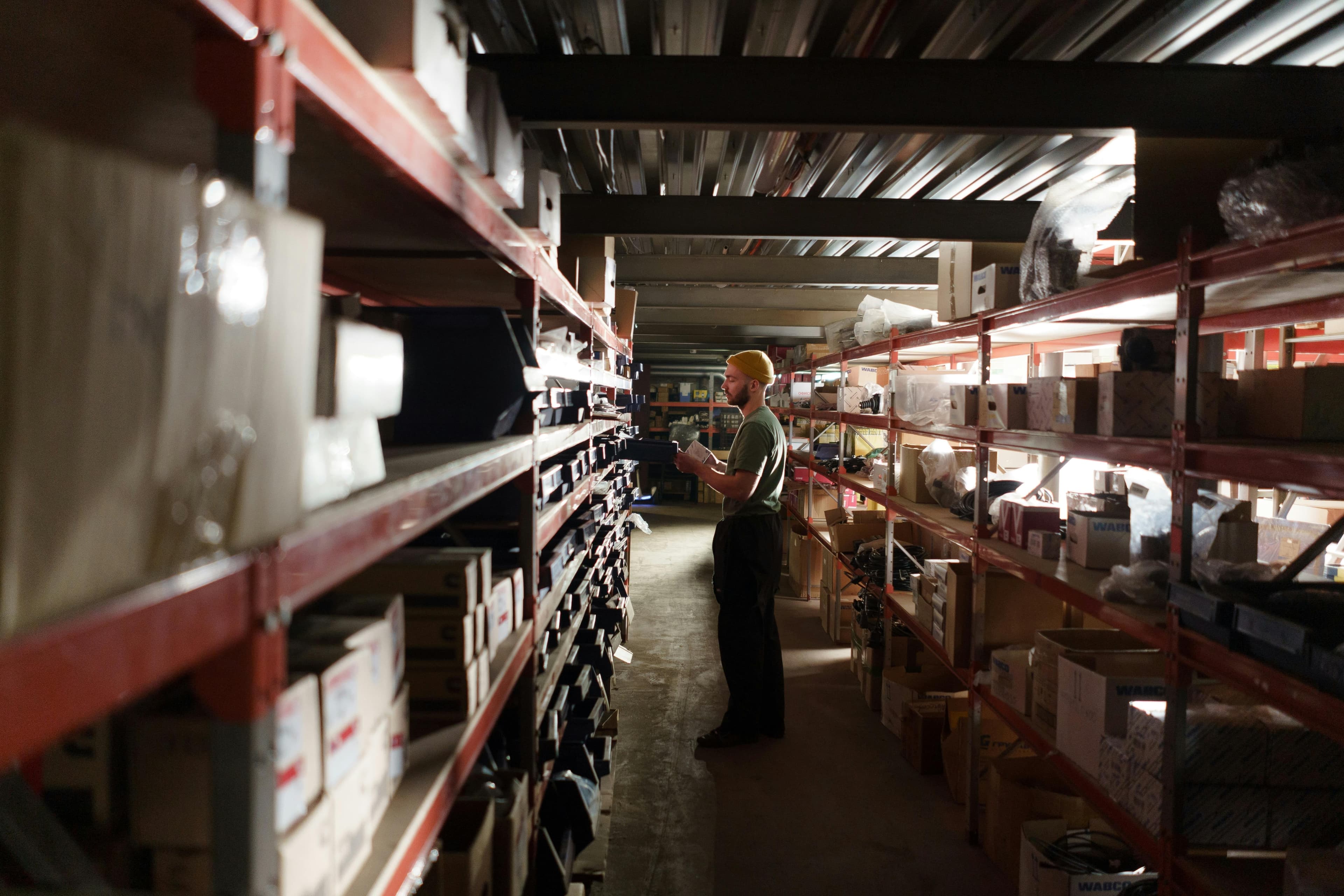
Even in warehouses bristling with sensors and automation, a curious gap persists: operators often struggle to explain why throughput fluctuates from day to day. It's not a measurement problem: the data is there, the dashboards are green. Yet output drifts in ways that resist clean explanation, a pattern that points to something fundamental about the systems we've built.
One way to make sense of this phenomenon is something that Samuel Arbesman calls "overcomplicated" systems. We've built technological environments so layered and interconnected that they've crossed a threshold of legibility. The system works, mostly, but why it works on a given Tuesday better than the previous Thursday is beyond anyone's ability to fully trace.
And this is the world into which we're trying to drop in even more automation.
The Interface Problem
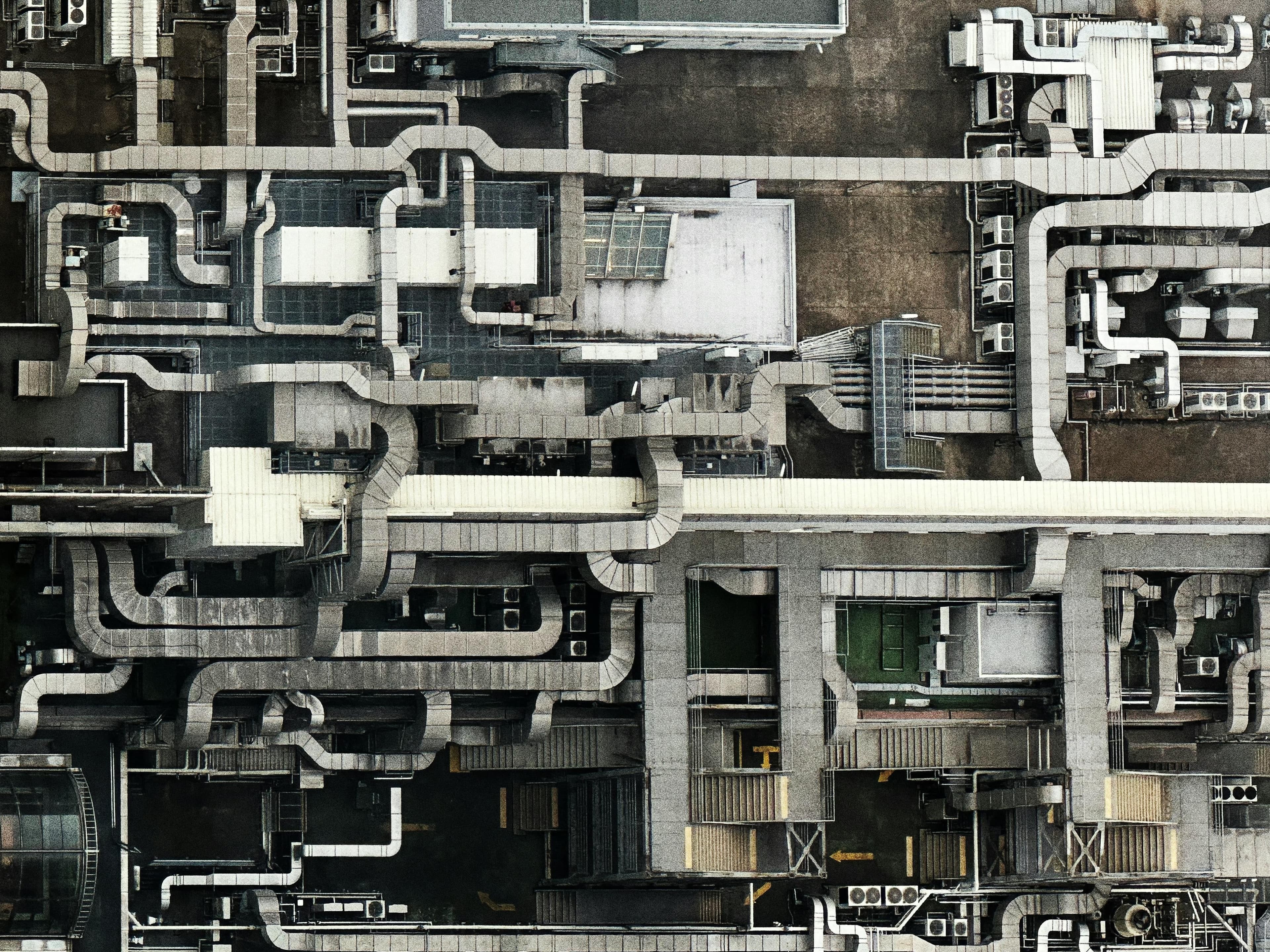
The core challenge of deploying automation in a legacy environment isn't the robot. It's the interfaces.
For example, a modern distribution center runs on dozens of interlocking systems: a warehouse management system, a conveyor control layer, pick-to-light modules, ERP feeds, shipping label APIs, inventory databases. Each built on different assumptions, taxonomies, update frequencies, and failure modes. Every connection between two systems is a seam, and every seam is a potential point of breakdown.
Introducing automation means adding a new node to this web: a new set of APIs to integrate, a new timing profile to synchronize, a new failure mode to propagate. The robot itself may work flawlessly on the bench. The question is what happens when it meets the rest of the orchestra.
The Traffic Analogy
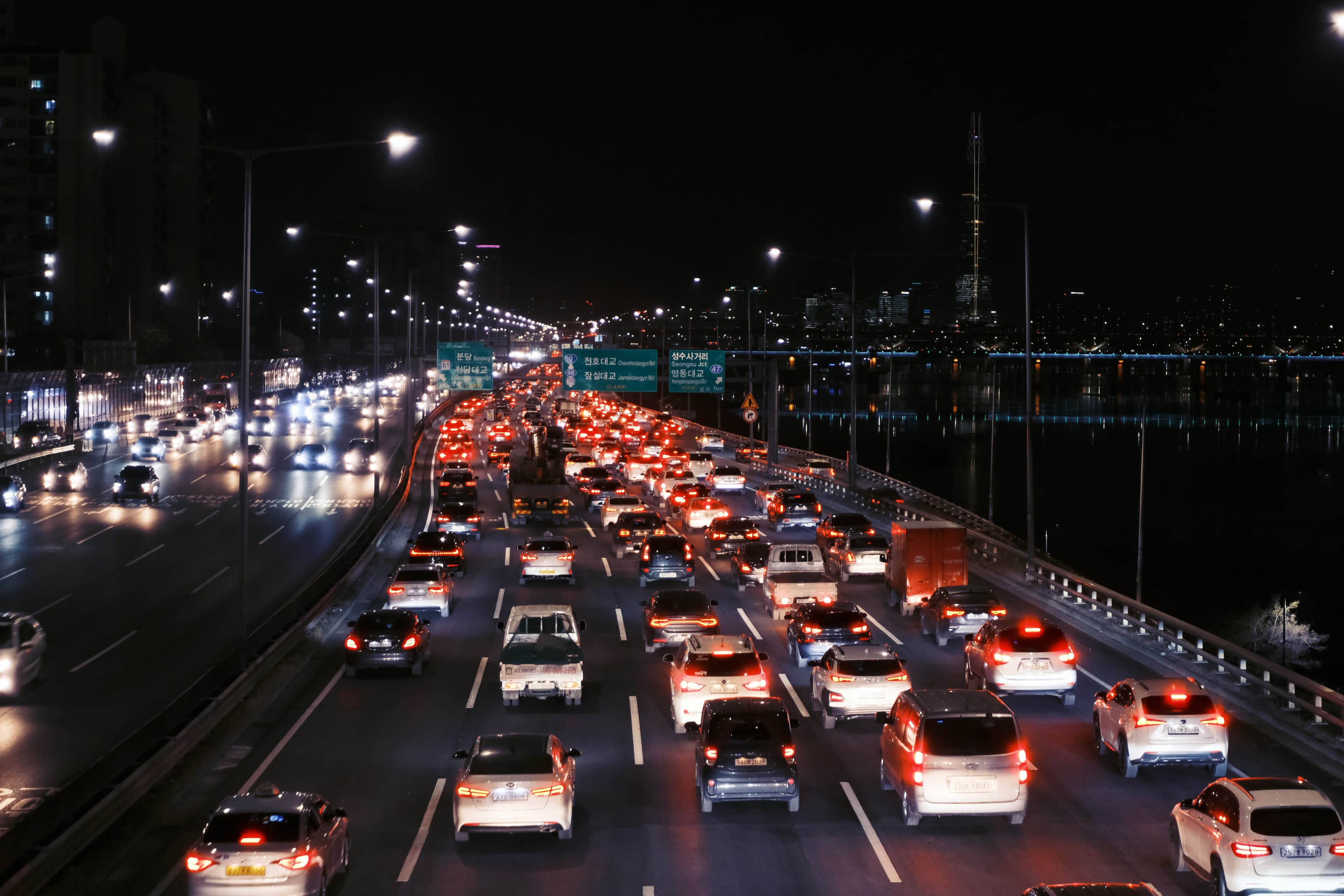
Here's a counterintuitive but illustrative example: reducing the maximum speed on a highway often increases the average distance covered by all vehicles. Why? Because uniform flow prevents the cascading failures we experience as traffic jams. One hard brake at high speed sends a shockwave backward through the system, costing hundreds of drivers minutes each. Slightly slower, steadier movement avoids the jam entirely.
Warehouses exhibit the same dynamics. When an automated subsystem fails or hiccups, whether a robot stalls, a scanner misreads, or a conveyor jams, the disruption doesn't stay local. It propagates across the facility like a traffic jam, because every downstream process is waiting on the upstream one. A two-minute stoppage at one station can cascade into an hour of lost throughput across the building. And that's the generous case, automation failures are usually spikey: they might not happen often, but when they do, they are usually very disruptive.
But here's what makes warehouses harder than traffic: on a highway, every vehicle is roughly the same. Cars respond to congestion in similar ways, so the system can recover its rhythm relatively quickly. In a warehouse, each process has a different natural speed, a different "harmonic frequency," to borrow from physics. The pick station cycles at one rate, the packing line at another, the conveyor at yet another. When you try to synchronize them through a shared interface, you get what engineers call an impedance mismatch: energy (or in this case, throughput) gets reflected back instead of transmitted cleanly through the system.
This impedance mismatch is what makes the whole system behave chaotically. It's not that any single component is broken. It's that the components don't resonate at the same frequency, and the interfaces between them amplify small disturbances instead of dampening them.
What This Means for Automation Strategy
The implication isn't that automation is doomed in legacy environments. It's that the hard problem was never the automation. It was always the integration. Teams that succeed tend to share a few traits:
- They treat interfaces as first-class engineering problems, not afterthoughts.
- They instrument the seams between systems, not just the systems themselves.
- They design for graceful degradation: when the automated cell goes down, the surrounding processes need to keep flowing, even if at reduced speed.
And critically, they accept that full legibility may be impossible. You won't always know why throughput dipped on a Wednesday. The goal isn't omniscience. It's resilience.
The warehouse of the future won't be defined by the sophistication of its robots. It'll be defined by how well it manages the unglamorous work of making dozens of systems (old and new, fast and slow, digital and physical) play nicely together. That's the real automation problem. And it's much harder than building a better arm.